When the Fans Become the Problem: How Toxic Fandoms Are Killing the Shows They Love
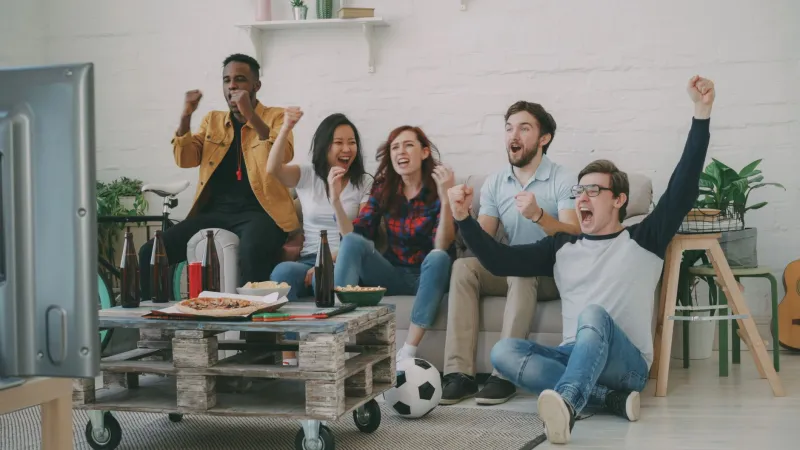
There's a version of being a fan that's genuinely beautiful. You find a show, it hits you somewhere real, and you want to share that feeling with other people who get it. You find your people. You talk about it endlessly. You defend it when someone dismisses it at a party. That's fandom at its best — community built around a shared love of something.
And then there's the other version. The one where actors delete their social media accounts. Where writers receive death threats for a plot decision. Where a show gets review-bombed into oblivion because a vocal minority didn't like where a character arc was headed.
That version is becoming harder and harder to ignore.
The Shift From Fan to Stakeholder
Something changed in how audiences relate to the media they consume, and it didn't happen overnight. For a long time, being a fan meant you were a spectator — deeply invested, maybe, but ultimately on the outside of the creative process. You watched. You reacted. You moved on.
Social media collapsed that distance in ways that felt exciting at first. Suddenly you could tweet at the showrunner. You could see actors living their lives in real time. The wall between creator and audience got thin enough that it almost felt like a conversation.
The problem is that a lot of people started treating that conversation like a negotiation. Fans began to feel — genuinely, deeply feel — that their emotional investment entitled them to a say in creative decisions. That if they loved a show hard enough and long enough, they had earned some kind of ownership over it.
They hadn't, of course. But the feeling was real, and when shows didn't deliver what those fans expected, the reaction got ugly fast.
Real Cases, Real Damage
The Supernatural fandom is one of the most documented examples of a community that produced both extraordinary loyalty and genuinely harmful behavior. The show ran for fifteen seasons and built one of the most dedicated audiences in television history. It also produced years of harassment directed at cast members, particularly targeting actresses who were perceived as standing between fans and their preferred romantic pairings. Jensen Ackles and Jared Padalecki have both spoken publicly about the toll that dynamic took.
The Rings of Power situation on Amazon is another instructive case. Before the show had even aired a single episode, a coordinated harassment campaign targeted the show's diverse casting. Reviews were posted by people who hadn't watched it. Cast members — particularly actors of color — were flooded with racist abuse on every platform they used. The discourse around the show became so toxic that it was nearly impossible to have a genuine conversation about whether the actual content was good or not.
And then there's The Last of Us video game adaptation discourse, which managed to fracture an entire gaming community so thoroughly that by the time the HBO series arrived, some fans had been in open warfare with each other — and with the creators — for years. Developers at Naughty Dog received death threats. Voice actors were harassed at conventions.
These aren't isolated incidents. They're a pattern.
The Platform Problem
It would be convenient to blame this entirely on the fans themselves, but that's not the full picture. The platforms where fan communities live — Twitter/X, Reddit, YouTube comment sections — are designed to amplify outrage. Angry content gets engagement. Engagement drives the algorithm. The algorithm pushes that content to more people.
A measured take about why a season finale was a little disappointing gets twelve likes. A thread calling for a showrunner to be fired gets ten thousand retweets. The incentive structure actively rewards the most extreme reactions, and over time, that shapes what kinds of voices dominate fandom spaces.
Moderation hasn't kept pace, either. Platforms have been slow and inconsistent about enforcing their own rules around harassment, particularly when the harassment is coordinated and distributed enough that it doesn't obviously trip any single content filter.
Where Does Passion End and Toxicity Begin?
This is genuinely the hard question, and it doesn't have a clean answer. Criticism is not harassment. Expressing disappointment is not harassment. Even organized campaigns — petitions, coordinated negative reviews — exist in a gray area, because collective action is a legitimate form of expression and companies do sometimes respond to audience pressure in ways that produce good outcomes.
The line, as best as I can draw it, is about targeting individuals. When the frustration moves from 'this creative decision was wrong' to 'this specific person who made it should suffer,' something has broken. When actors and writers are receiving messages about their physical safety, their families, their personal relationships — that's not criticism anymore. That's something else entirely.
And the effect on the industry is real. Creators are becoming more guarded. Some are simply less willing to take risks because they've watched what happens to colleagues who tried something unconventional and got destroyed for it. There's a chilling effect on creative risk-taking that ultimately produces exactly the kind of safe, predictable content that passionate fans claim they don't want.
What the Good Side of Fandom Looks Like
Because it exists, and it's worth remembering. The Schitt's Creek fandom is frequently cited as a counterexample — genuinely warm, inclusive, and enthusiastic without tipping into aggression. The Ted Lasso community built a reputation for being almost aggressively kind online, which felt like a direct reflection of what the show itself was about.
Those communities didn't form that way by accident. They were shaped partly by the tone of the content they loved, partly by early community norms that got established and reinforced, and partly by creators who were thoughtful about how they engaged with their audiences.
Fandom is not inherently toxic. But right now, in 2024, some of the loudest corners of it are — and the shows, the creators, and the quieter fans who just want to talk about something they love are all paying the price for it.