Remember When We All Found Out Together? Streaming Broke That — And We're Just Now Noticing
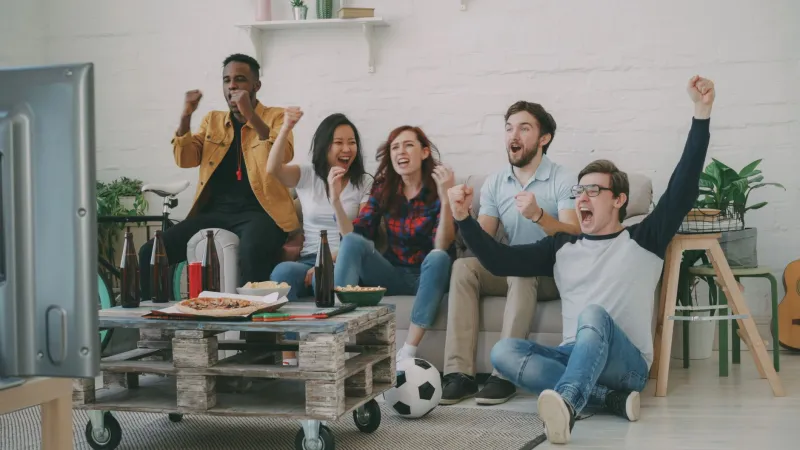
Picture this: It's a Thursday morning in 2006. You walk into the office, pour your coffee, and before you even sit down, someone across the room goes, "Did you SEE what happened on Lost last night?" And suddenly half the floor is involved. Nobody had to coordinate. Nobody had to worry about spoilers because you all watched it at the same time, on the same night, on the same channel. It just... happened.
That version of TV is basically gone now. And honestly? We didn't even hold a funeral.
The Binge Drop Changed Everything — Quietly
When Netflix started releasing full seasons all at once, it felt like a gift. No more waiting a week between episodes. No more cliffhangers that made you stare at the ceiling at 11 p.m. wondering what happens next. You could just know. Right now. Tonight.
But here's the thing nobody put on the press release: when everyone watches on their own schedule, nobody's watching together. And "together" — even in that loose, we-happened-to-all-tune-in-at-the-same-time kind of way — was doing more work than we gave it credit for.
The binge model is genuinely great for individual viewing experiences. It respects your time, it trusts you to pace yourself (or not), and it removes the friction of appointment television. But it also quietly dismantled the infrastructure of shared discovery. The water cooler conversation didn't just move online — it fractured into a thousand different timelines, each person at a different episode, everyone terrified to say the wrong thing.
The Spoiler Bunker Is Real, and It's Exhausting
Ask anyone who's tried to stay unspoiled for a major show in the last five years. It's a full-time job. You have to mute keywords on Twitter. You have to dodge Reddit like it's a minefield. You have to tell your friends, with genuine urgency, "I'm only on episode four, do NOT say anything."
That kind of vigilance is tiring. And it creates this weird social dynamic where a show everyone is supposedly watching together becomes a thing nobody can actually talk about. You're all in the same fandom, but you're living in completely different moments of the story. It's like trying to have a book club where everyone reads at their own pace and the meetings are optional.
The unspoiled viewer — the person who gets to experience a plot twist with fresh eyes, who gasps at the thing everyone else gasped at two weeks ago — is becoming genuinely rare. And that rarity matters, because part of what made television television was that collective gasp happening simultaneously across the country.
What We Actually Lost
Here's what the binge model doesn't replicate: the experience of waiting with other people. That seven-day stretch between episodes was annoying, sure. But it was also when the theorizing happened. When fan communities were at their most alive. When your coworker would send you a link to some Reddit thread with a wild prediction and you'd both spiral about it until next Monday.
The anticipation was the experience, in a lot of ways. It gave stories room to breathe inside the cultural conversation. A show like Breaking Bad, which aired weekly, had time to become a national obsession while it was still airing. People who hadn't started yet would hear the noise and jump in. The buzz had time to build.
When a season drops all at once, there's a 72-hour window of peak conversation — and then it's basically over. The people who binged it immediately are done. The people who are taking their time are avoiding spoilers. And the people who haven't started yet don't want to hear about it. The cultural moment collapses in on itself almost immediately.
The Quiet Comeback of the Weekly Release
Something interesting has been happening, though. A handful of streaming platforms have started experimenting with weekly episode drops again, and it doesn't feel like an accident.
Disney+ leaned into it hard with The Mandalorian, and the results were hard to ignore. Every Friday became an event. People made plans around it. The conversation stretched across the entire season instead of burning out in a weekend. HBO Max — now just Max — has largely stuck with weekly releases for its prestige content, and shows like The Last of Us and House of the Dragon generated the kind of sustained, episodic cultural conversation that streaming had almost made us forget was possible.
Even Netflix, the original binge-drop evangelist, has started testing weekly releases for certain reality competition shows and high-profile series. It's a quiet admission that something was lost — and that audiences might actually want it back.
Can You Manufacture That Magic?
Here's the honest question: does a strategically scheduled weekly release actually recreate the old feeling, or is it just cosplaying as appointment television?
The answer is probably somewhere in the middle. The infrastructure of shared discovery — the fact that everyone genuinely had no choice but to watch on the same night — can't be fully rebuilt. There will always be people who wait, people who binge when the season finishes, people who pirate it early. The monoculture of Must-See TV Thursday isn't coming back.
But the intent matters. When a platform chooses to release weekly, it's making a statement about how it wants audiences to experience the story. It's building in space for conversation, for theorizing, for that slightly agonizing wait that turns out to be half the fun. It's betting that some viewers will show up for that rhythm — and based on recent evidence, a lot of them will.
The Thing Worth Saving
None of this is an argument for going back to network TV schedules or pretending that streaming hasn't genuinely improved how we access content. It has. The convenience is real, and it's not going anywhere.
But it's worth naming what's been quietly eroding: the experience of finding something new with other people. The shared "oh my god, did you see that?" The collective suspense of not knowing what happens next — and knowing that nobody else does either.
There's something about discovering a story alongside strangers that makes the story feel bigger than itself. It becomes a shared cultural moment instead of just a personal one. And right now, those moments are getting harder to come by.
Some shows are trying to bring it back. That's worth paying attention to. Because as it turns out, watching alone is fine — but watching together, even loosely, even from different couches across the country, is something a little closer to magic.